
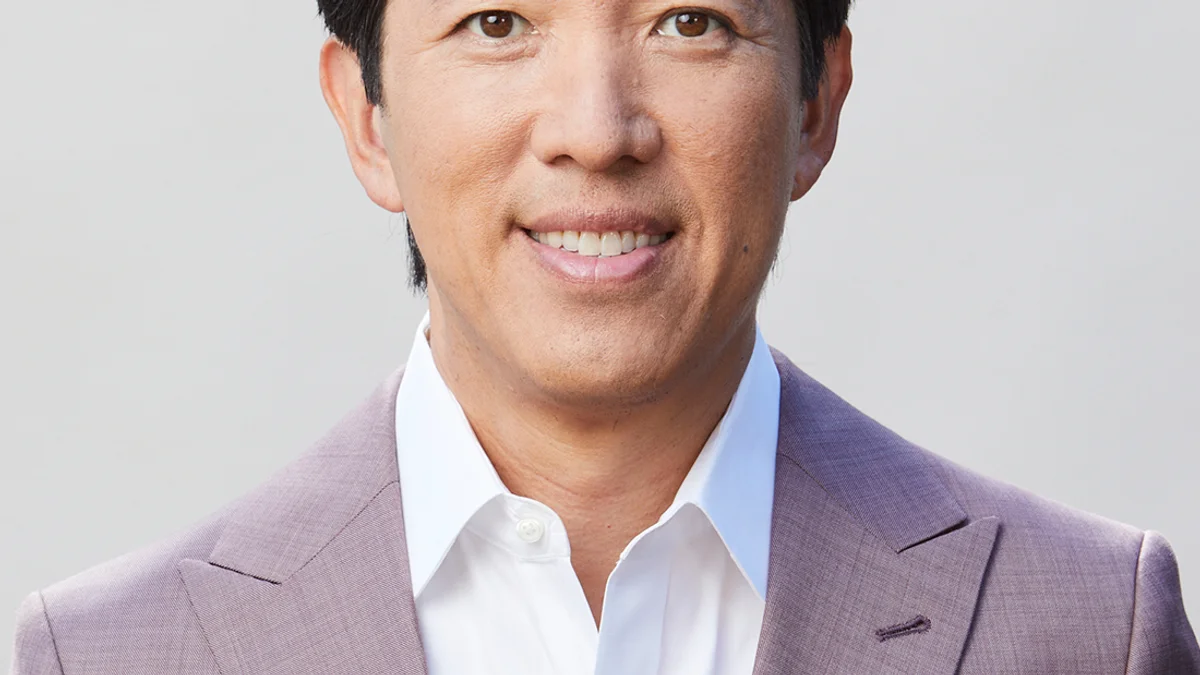
Two major Netflix executives leave within days
Netflix has replaced two of the most influential executives in its content organization in less than a week. The first departure, announced October 15, involved Bela Bajaria, who had served as chief content officer since 2023. The second, confirmed on Monday, October 19, directly affects the company's film business: Dan Lin is leaving.
Lin joined Netflix Film in April 2024, succeeding Scott Stuber with a complicated assignment. The company wanted to reconsider how it selected, financed and distributed its feature films. Two and a half years later, he is departing while productions associated with his tenure continue to reach viewers.
The Los Angeles Times published statements from both sides. Netflix co-chief executive Ted Sarandos praised Lin's approach to negotiations, his relationships with filmmakers and his contribution to the film operation. Lin thanked the company's leadership, creative partners and staff.
Neither statement provides a comprehensive explanation of the decision. The broader circumstances are difficult to overlook, however. Days earlier, Netflix announced the elimination of approximately 1,000 jobs, representing about 6% of its workforce. Peter Rice's appointment to succeed Bajaria had already changed the organization's highest-level reporting structure.
Taken together, the announcements suggest a broad restructuring rather than an isolated executive replacement. The personal and contractual circumstances surrounding each departure have not been fully disclosed.
Peter Rice temporarily takes responsibility for Netflix movies
The most important organizational change involves Peter Rice. Netflix announced his appointment on October 15, with his tenure scheduled to begin October 26, 2026.
The former Disney and Fox executive will become chief content officer, assuming responsibility for the company's global programming strategy. His remit includes scripted and unscripted television, films, live events and content produced across international markets.
Following Lin's departure, Rice will also oversee the film division until Netflix appoints a permanent leader. No successor has been officially named.
The arrangement creates an unusual situation. An executive arriving to supervise the entire content operation must simultaneously assume temporary responsibility for a movie division whose strategy and relationships with Hollywood talent have attracted considerable scrutiny.
Rice brings extensive experience. His previous roles at Fox Searchlight, Fox Networks Group and Disney covered independent cinema, broadcast television, international programming and large entertainment organizations.
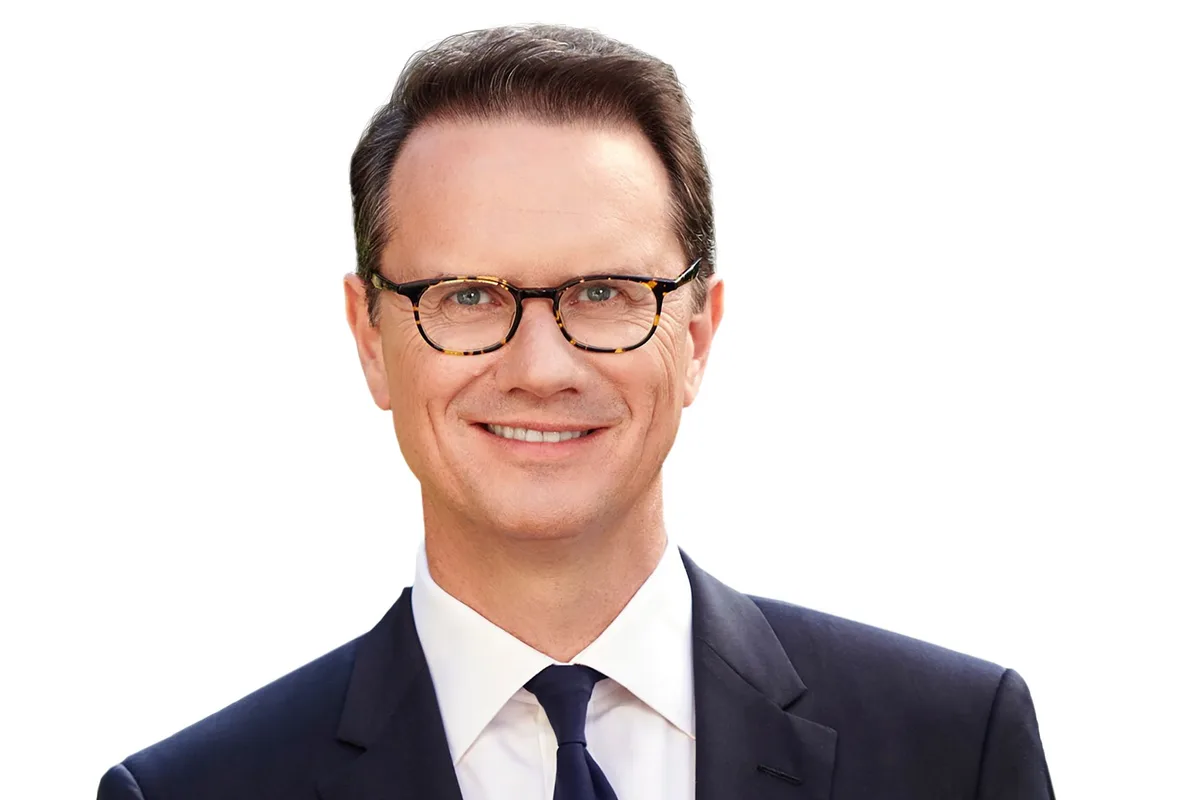
His recruitment can reasonably be interpreted as an effort to draw upon established industry relationships and experienced creative management. It does not yet establish which specific changes he will introduce.
Dan Lin was tasked with making fewer, better movies
Netflix's decision to hire Dan Lin in 2024 already represented a change in approach. The streamer wanted to move away from a system where releasing large numbers of new titles could sometimes appear more important than their ability to retain audience attention.
Lin's assignment included tightening project selection and strengthening financial discipline. The broad principle was straightforward: fewer productions, more selective investment and closer attention to each movie's potential.
That sounds reasonable in theory, but it requires difficult decisions from a company that built part of its identity around an exceptionally large catalog. Reducing output means declining projects, challenging established financing practices and managing expectations among producers accustomed to working with the platform.
Lin understood both sides of the relationship. Before joining Netflix, he produced major international franchises and founded Rideback, the company associated with The LEGO Movie and adaptations of Stephen King's It. He had also worked as an executive at Warner Bros. Pictures.
That experience was intended to help balance the requirements of a large distributor with the ambitions of filmmakers. It could not eliminate the underlying differences between them.
In the American film industry, attracting major actors and directors also depends on compensation, creative independence and the visibility promised to a production. Netflix must reconcile those demands with an economic model built primarily around subscriptions.
Major successes, but an uneven film portfolio
Lin's tenure cannot be reduced to a collection of disappointments. KPop Demon Hunters became a major Netflix success, while the company also released projects as different as Happy Gilmore 2, The Rip and Train Dreams during the same period.
Those titles illustrate the diversity required of a film division expected to feed a vast catalog, reach different audiences and remain part of popular culture.
At the other end of the spectrum, The Electric State highlighted the risks surrounding expensive productions whose reception fails to match the resources committed to them. A substantial budget does not guarantee that a movie will become a lasting event.
Attributing all these outcomes personally to Lin would nevertheless be misleading. Feature films often spend years in development. Some projects released under his leadership began before he arrived, while other decisions taken during his tenure have not yet produced their full results.
An executive's financial performance cannot be determined from a list of releases alone. A proper assessment would require information about investment decisions, contractual arrangements and the complete commercial performance of individual titles.
The contrast remains revealing. Netflix can deliver a global phenomenon while still deciding its organization needs substantial changes. Occasional successes do not automatically answer every question about profitability, consistency and subscriber loyalty.

Finding the next hit movie is only part of the problem
The challenges Netflix is attempting to address extend well beyond cinema. The company remains one of the world's leading subscription entertainment providers, but it now operates in a much more crowded attention economy.
Traditional competitors still include Disney+, Prime Video, HBO Max and other streaming services investing in exclusive films and series. Increasingly, however, competition also comes from platforms with very different economic models.
YouTube and short-form video services capture a substantial share of viewers' available time. Their content is often free, continuously refreshed and supplied by large communities of independent creators.
For Netflix, that represents a particular challenge. Offering more exclusive productions than another subscription service may no longer be enough. The company also needs compelling reasons for viewers to return regularly.
Ted Sarandos has acknowledged that Netflix is not growing as quickly as he wants. Concerns have focused partly on engagement and the ability of new releases to become lasting audience attractions.
A movie's value cannot therefore be measured entirely by its opening weekend. A production may dominate conversation briefly and then fade from attention. Conversely, a catalog that encourages consistent viewing can support subscriber retention without producing a spectacular cultural event every week.
That is Netflix's central industrial dilemma: balancing event releases, consistent programming and productions capable of reaching different audiences across multiple countries.
Bela Bajaria's departure also reshapes television leadership
While Lin's exit directly affects movies, Bela Bajaria's departure reaches across Netflix's entire offering. She joined the company in 2016 before becoming its global chief content officer in 2023.
Her leadership accompanied the expansion of international productions, the development of unscripted programming and Netflix's move into new live entertainment formats.
Netflix has publicly acknowledged her contribution to building a strategy designed to serve different audiences and regional markets. Series such as Squid Game and Bridgerton illustrate the platform's ability to turn selected productions into global successes.
That legacy also comes with an increasingly visible difficulty. A popular series does not guarantee that subscribers will be equally interested in whatever is released next.
Major shows can require lengthy filming and postproduction schedules. Long intervals between seasons leave Netflix needing other reasons for audiences to maintain their subscriptions.
Rice therefore inherits an organization in which film and television cannot be treated as entirely separate concerns. Their release frequency, visibility and complementary audience appeal form parts of the same overall strategy.
Hollywood wants to know whether business terms will change
The restructuring is also being closely watched by producers and creative talent working with Netflix. For them, the central question is not simply who holds the executive titles. It concerns the conditions under which projects will be approved, financed and distributed.
Theatrical distribution occupies an important place in that debate. Netflix has historically prioritized its own streaming service for film releases, although selected productions receive specific cinema engagements.
That model can offer rapid global exposure, but it does not always align with the preferences of directors who want a more traditional theatrical career for their work.
Rice's experience at Fox Searchlight and Disney could inform future discussions about these trade-offs. He has worked within organizations whose distribution models differ substantially from Netflix's.
It would nevertheless be premature to announce a major policy reversal. Netflix's official appointment statement contains no commitment to changing theatrical release windows.
Former Warner Bros. Pictures executives Mike De Luca and Pam Abdy have also been discussed in industry reporting as possible candidates for senior positions. Netflix has not confirmed either appointment.
Meanwhile, projects already in development continue according to the information currently available. Lin's departure does not independently establish that any particular movie has been canceled.
Netflix's real test begins after the appointments
The financial calendar makes the leadership changes especially sensitive. Netflix is scheduled to report its third-quarter 2026 results after US financial markets close on October 20.
That announcement arrives while investors are closely examining growth, spending and changes in subscriber behavior.
At the time of this report, those quarterly results have not yet been published. They cannot therefore be used as evidence of the financial consequences of the restructuring.
The confirmed decisions are already significant. Bela Bajaria is leaving the global content organization. Dan Lin is departing the film division. Peter Rice will assume his new position on October 26 while temporarily taking responsibility for the vacant film leadership role.
This is no longer simply a search for a new movie executive. Netflix is changing how creative decisions are supervised at the highest levels of the company.
The next developments remain uncertain: the identity of Lin's replacement, the number and type of projects approved, relationships with producers and the role of theatrical distribution.
New leadership can change working methods relatively quickly. Changing the perceived quality of a catalog and the viewing habits of an audience takes considerably longer.
Netflix has replaced several of the people responsible for deciding which movies and series reach millions of subscribers. Whether that produces programming those subscribers want to watch more often will be the real measure of this shake-up.