
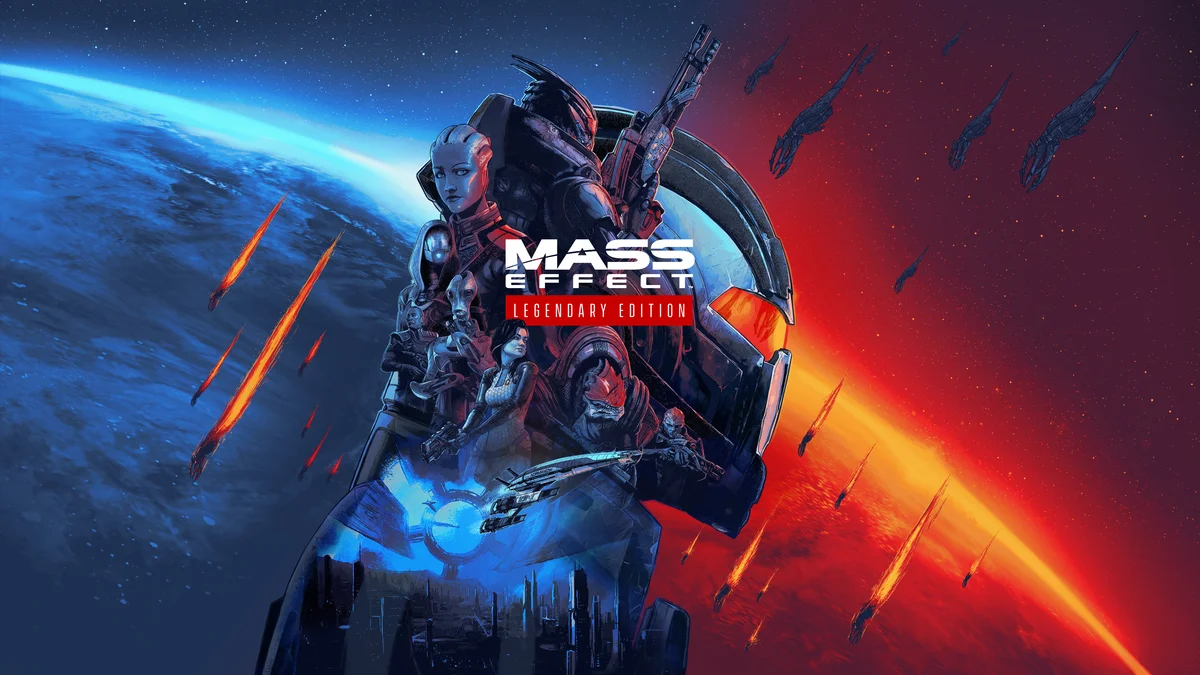
Players argued about the ending of Mass Effect 3. They defended their favorite Dragon Age companions and replayed Knights of the Old Republic to discover what happened when they chose a different path.
Those conversations were central to BioWare's identity. Its worlds became memorable not simply because of their scale, but because players were encouraged to feel responsible for the people living within them.
On October 21, Electronic Arts announced that the studio would close. Early development on the next Mass Effect game is ending, and BioWare has published a final message acknowledging the communities that grew around its work.
The companions were never just party members
BioWare understood that memorable fictional worlds are often built through relationships.
Baldur's Gate gave companions personalities and conflicting priorities. Knights of the Old Republic brought similar ideas into the Star Wars universe, using moral decisions to shape the player's journey.
Mass Effect developed the formula further. Commander Shepard traveled across a galaxy facing extraordinary threats, but many of the trilogy's most memorable scenes took place during conversations aboard the Normandy.
Garrus, Tali, Liara and the rest of the crew offered more than combat abilities. They embodied different cultural, political and personal perspectives on the conflicts shaping the series.
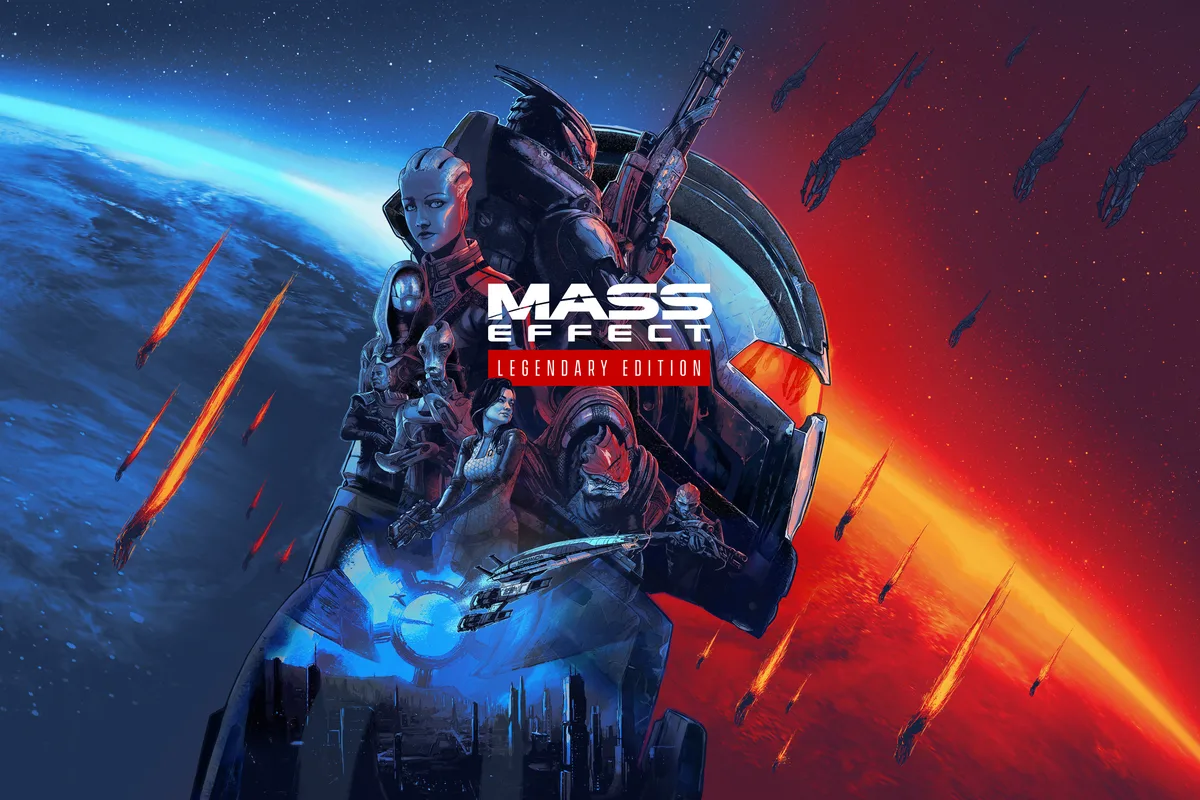
Fans consequently became invested in far more than battle systems. They debated relationships, defended decisions and formed lasting attachments to characters whose fictional lives depended partly on their choices.
Dragon Age made politics personal
Dragon Age explored a fantasy setting in which magic, social divisions, institutions and political interests created conflicts with few simple answers.
The series evolved considerably between installments, changing its combat systems and narrative structure.
Through those changes, companions remained essential. Their beliefs, loyalties and disagreements gave players reasons to care about events beyond their immediate objectives.
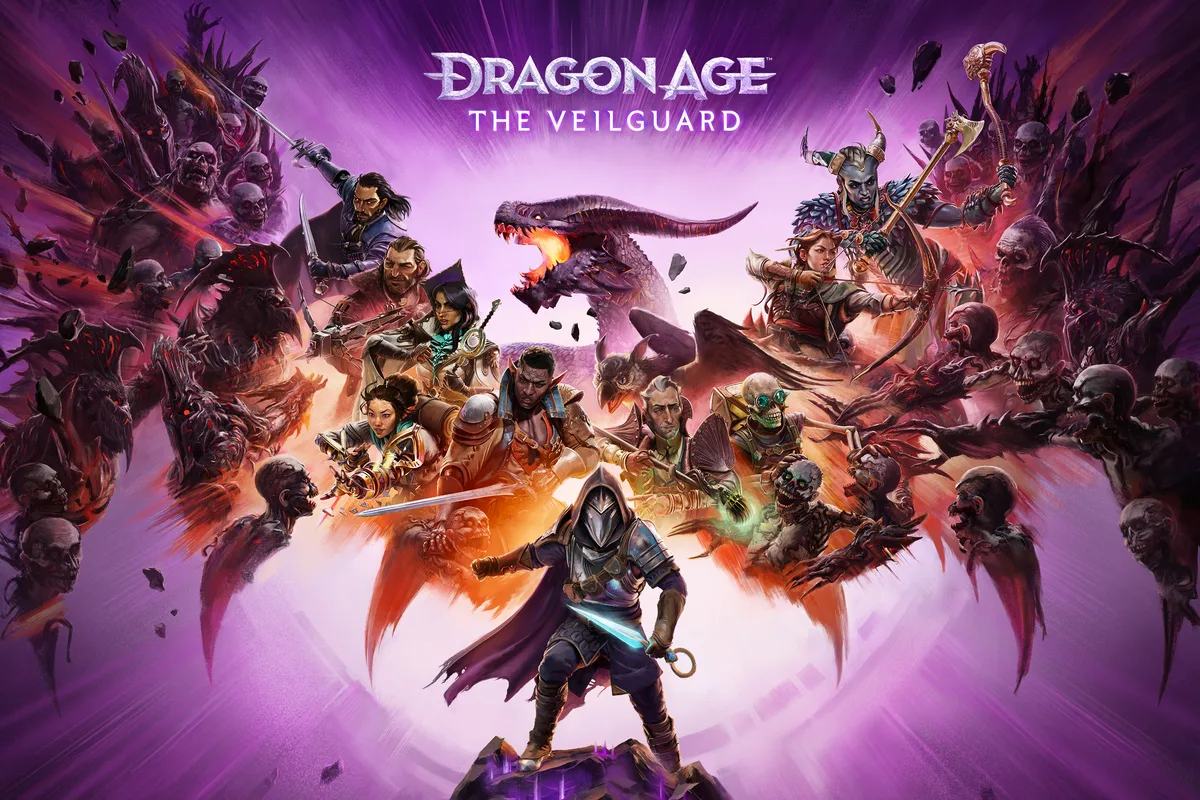
The franchise helped establish conversation and character relationships as activities with genuine significance inside a large role-playing game.
An influence extending beyond BioWare
BioWare did not invent narrative role-playing games. The genre has a much broader history, drawing on tabletop traditions, Japanese RPGs and many other developers.
Its contribution was nevertheless substantial. The studio demonstrated that commercial blockbusters could devote extensive attention to moral choices, relationships and narrative consequences.
Those ideas helped shape expectations. Players increasingly looked for companions with recognizable personalities, conversations worth exploring and decisions that could matter hours later.
BioWare was one of the developers responsible for making those features central to mainstream RPG discussions.
Can the worlds survive their creators?
Mass Effect and Dragon Age remain intellectual properties even after BioWare's closure.
Electronic Arts has cancelled the current Mass Effect development effort but has not announced that the franchise will never return.
A future revival is theoretically possible, although no replacement project or release plan has been confirmed.
The more difficult question concerns creative continuity. A franchise's legal ownership can survive the disappearance of the people and practices that gave it its original identity.
Writing methods, institutional knowledge and relationships between developers cannot simply be transferred through ownership of a brand.
An industrial decision with a human cost
EA describes the closure as part of a broader effort to focus investment on a smaller number of major projects.
The company will continue development of Marvel's Iron Man and the next Star Wars Jedi game while prioritizing its established franchises and services.
Bloomberg, according to multiple reports, estimates approximately 400 job losses across EA, including about 50 at BioWare. These remain reported figures rather than a detailed official breakdown.
The publisher says affected employees will receive support in exploring other internal opportunities.
A final farewell to the players
BioWare's farewell message recalls Baldur's Gate, Neverwinter Nights, Knights of the Old Republic, Dragon Age, Mass Effect and Anthem.
It also emphasizes the players who debated choices, formed attachments to characters and made these imaginary worlds part of their own lives.
Not every BioWare game achieved the same artistic or commercial success. But few studios produced so many lasting conversations about fictional companions and the decisions players made around them.
The studio is closing. The stories remain, as do the questions that made them meaningful: whom to trust, what to sacrifice and which consequences to accept when a choice cannot be undone.