
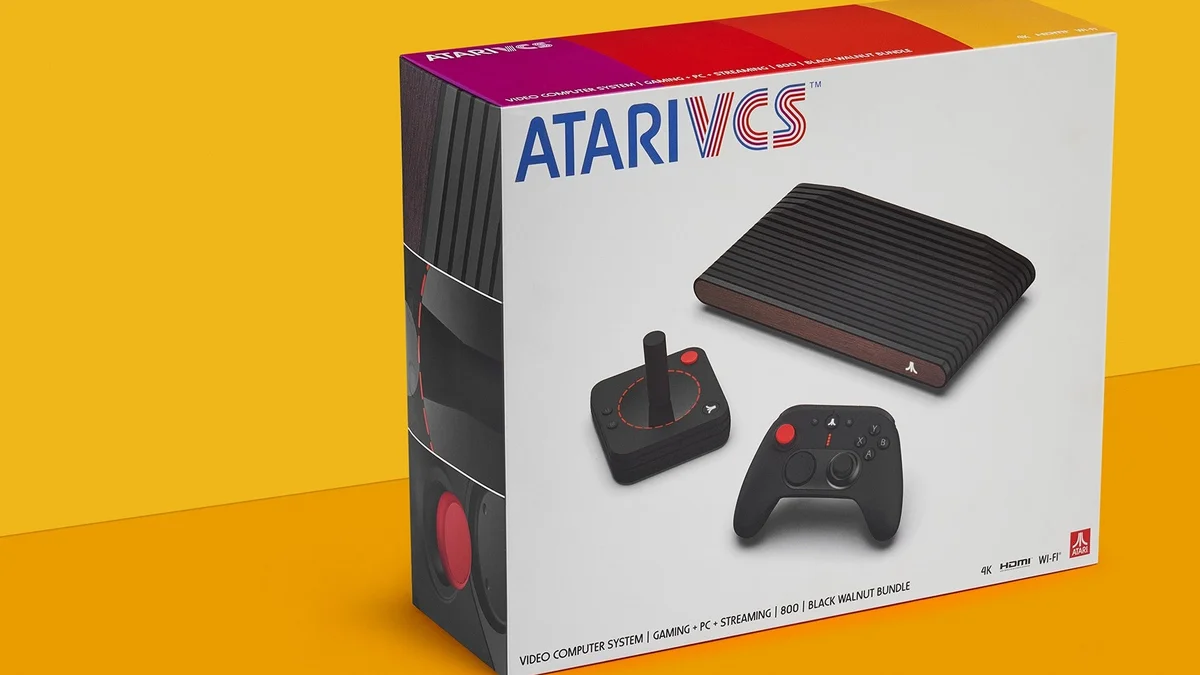
A game console can stop selling without becoming unusable.
It can also lose its storefront, authentication services and software infrastructure while the physical hardware remains fully operational.
Atari appears determined to avoid that second outcome for its modern VCS.
In an October 21 announcement to the platform's community, Atari confirmed that the VCS digital store will close on February 1, 2027.
Customers will be able to purchase software until January 31.
The decision marks the end of a distinctive commercial experiment, but Atari is also planning a transition intended to preserve the machine's usefulness.
A final deadline for digital purchases
VCS owners have several months to review the software still available through the official store.
Purchases will remain possible through January 31, 2027, before the service closes the following day.
The announcement does not mean that all installed games will immediately stop functioning.
Atari says it plans to remove important dependencies on its own infrastructure.
However, continued access to installed software should be distinguished from the ability to download purchased games again after the storefront disappears.
The company has not provided a comprehensive guarantee covering every future redownload scenario.
Owners should therefore follow Atari's migration instructions and review their installed software before the transition.
A console that began with crowdfunding
The modern Atari VCS never established the same market position as the major platforms from Sony, Microsoft or Nintendo.
Its history began with a crowdfunding campaign and a development process marked by delays and changes to the product's presentation.
Early backers began receiving hardware in December 2020, followed by broader retail availability in 2021.
The product attempted to combine Atari nostalgia with access to modern games and the flexibility of a small living-room computer.
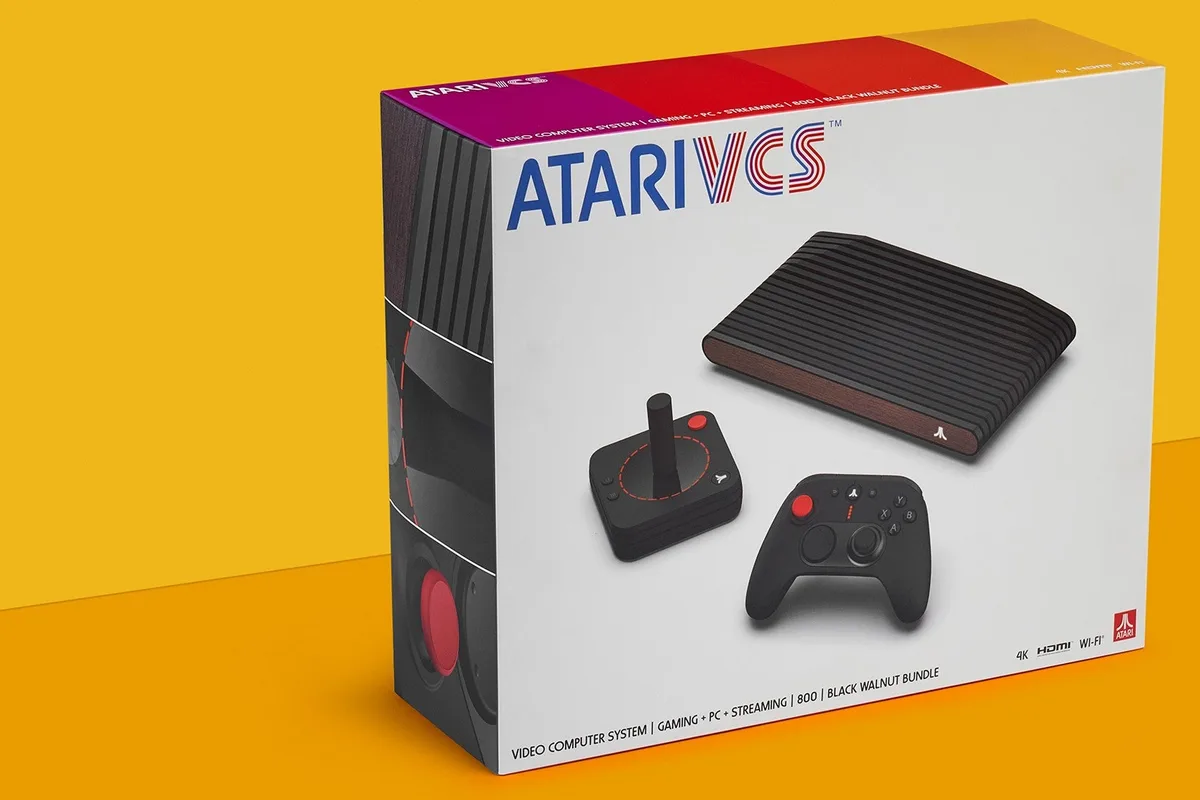
Its design deliberately referenced the Atari 2600, with a ribbed enclosure and optional wood-style front panel.
Atari also offered both a conventional gamepad and a retro-inspired joystick.
The VCS was positioned as a combination of gaming platform, retro entertainment device and general-purpose computing hardware.
An important software promise before the servers disappear
The most significant part of Atari's announcement concerns what should happen after the storefront closes.
The company intends to distribute an operating system update that moves essential functionality to the local device.
Its stated goal is to remove dependencies on Atari infrastructure for authentication and software.
If successfully completed, that migration could allow owners to continue using the hardware without relying on the same remote services.
The change remains a plan rather than a deployed and independently tested feature.
Atari says detailed instructions will follow in early 2027.
The implementation and its limitations will only become clear once the update is released.
Home Brew could replace part of the storefront's role
Atari also plans to introduce an application called Atari Home Brew.
Its purpose is to enable the installation of independently distributed community games and software.
Developers could therefore continue producing compatible applications without relying on Atari's commercial store.
This would not amount to restoring the original digital marketplace.
Instead, it would establish a different distribution model centered on independent development.
The precise installation process, compatibility rules and available management features remain to be explained.
Nevertheless, the initiative acknowledges that a platform's usefulness can extend beyond its commercial support period.
The ownership problem behind digital storefronts
The VCS shutdown highlights a recurring challenge in modern gaming.
Connected hardware often depends on remote accounts, authentication services, software distribution and digital licenses.
Those services may be operated for a shorter period than the physical lifetime of the hardware.
When they close, a device can lose functionality even though nothing has physically changed.
For users with digital libraries, this creates uncertainty about access and preservation.
Atari's proposed migration could reduce those dependencies, but its practical effectiveness remains to be demonstrated.
Not every third-party service or online feature can be assumed to survive unchanged.
Community development could keep the VCS alive
The VCS has always occupied an unusual position between console and computer.
Its PC Mode already supports alternative uses beyond Atari's standard interface.
This flexibility could help the hardware remain useful after the official platform closes.
The proposed Home Brew application may make independent software distribution easier.
However, future releases will depend on community interest, available development tools and the reliability of the resulting environment.
Atari is providing a proposed path forward rather than guaranteeing a continuing commercial software ecosystem.
The end of one platform, not the end of Atari
The VCS retirement does not mean Atari is shutting down its broader games and hardware operations.
The company continues to develop and distribute other games and retro-focused products.
The VCS represented a particular attempt to build a modern connected platform around Atari's historic identity.
Its retirement demonstrates that a recognizable brand does not guarantee the long-term commercial viability of a new console ecosystem.
The community may write the final chapter
Atari says official platform support will end once the software migration is complete.
The console's future will then depend on the promised update, its existing library and the community that continues to use it.
There is no guarantee that every feature will survive.
Yet Atari has made a notable commitment: prepare its hardware to operate without relying on its own servers.
If the transition succeeds, the VCS could provide an interesting example of a console whose commercial retirement does not immediately end its usefulness.