
An Experienced Founder With an Independent Ambition
Liquid Swords began with a credible industrial proposition.
Its founder, Christofer Sundberg, already understood the complexities of developing large action games. He had helped establish Avalanche Studios and was closely associated with the Just Cause franchise.
In 2020, he created a new company intended to bring experienced developers together around a distinctive action project.
The studio's debut game, Samson, launched on PC in April 2026.
Six months later, Liquid Swords entered bankruptcy.
The proximity of those events is striking, but it does not fully explain the company's financial situation.
A Court Decision, Not an Ordinary Restructuring
On October 12, 2026, the Stockholm District Court declared Liquid Swords AB bankrupt.
Cirio, the law firm administering the process, confirmed the ruling in an announcement dated October 14.
Karl Björlin, a lawyer specializing in restructuring and insolvency, was appointed administrator.
These details establish a formal bankruptcy process rather than a conventional reduction of staff or fundraising effort.
The central issue is no longer simply financing further development. It is determining how the company's existing assets can be managed and sold.
Unpaid Wages Reveal the Severity of the Crisis
Investigations by Swedish business publication Breakit provide essential context.
On October 9, it reported that Liquid Swords employees had gone unpaid for months.
The publication described a severe cash shortage and reported that employees had sought bankruptcy proceedings.
Its October 15 follow-up identified approximately 30 affected workers.
Sweden's state wage-guarantee system is expected to cover eligible unpaid compensation, according to national reporting.
That protection matters, but it does not eliminate the personal and professional consequences of bankruptcy.
Employees face uncertainty about their jobs and future income despite having contributed to the studio's commercial release.
A possible sale of Samson's rights does not automatically mean that those jobs will return.
Veteran Talent Cannot Eliminate Business Risk
Liquid Swords recruited developers with experience at companies including DICE, Rockstar, Starbreeze and Avalanche, according to Cirio.
That experience offers clear benefits in production planning, complex technology and commercial game development.
It does not guarantee uninterrupted financing or sufficient revenue after launch.
Independent studios must pay recurring expenses long before they know how their debut project will perform.
Wages, external services, tools, premises and distribution all create obligations.
This is general business context rather than a proven numerical explanation for Liquid Swords' insolvency. The available sources do not provide a complete breakdown of its finances.
Nevertheless, it helps explain why an experienced team can remain financially vulnerable.
Financial Problems Predated Samson's Launch
The February 2025 layoffs are an important part of the timeline.
At that point, Liquid Swords had not released its first game.
Sundberg acknowledged the difficult situation and the need to reduce staffing.
That decision indicated financial pressure well before the product reached consumers.
Samson continued development and launched on April 8, 2026.
The earlier restructuring makes it misleading to describe the game's review scores as the sole cause of bankruptcy.
The reception may have influenced commercial outcomes, but the available evidence does not establish exactly how much it contributed to insolvency.
Samson Was Designed as a More Focused Action Game
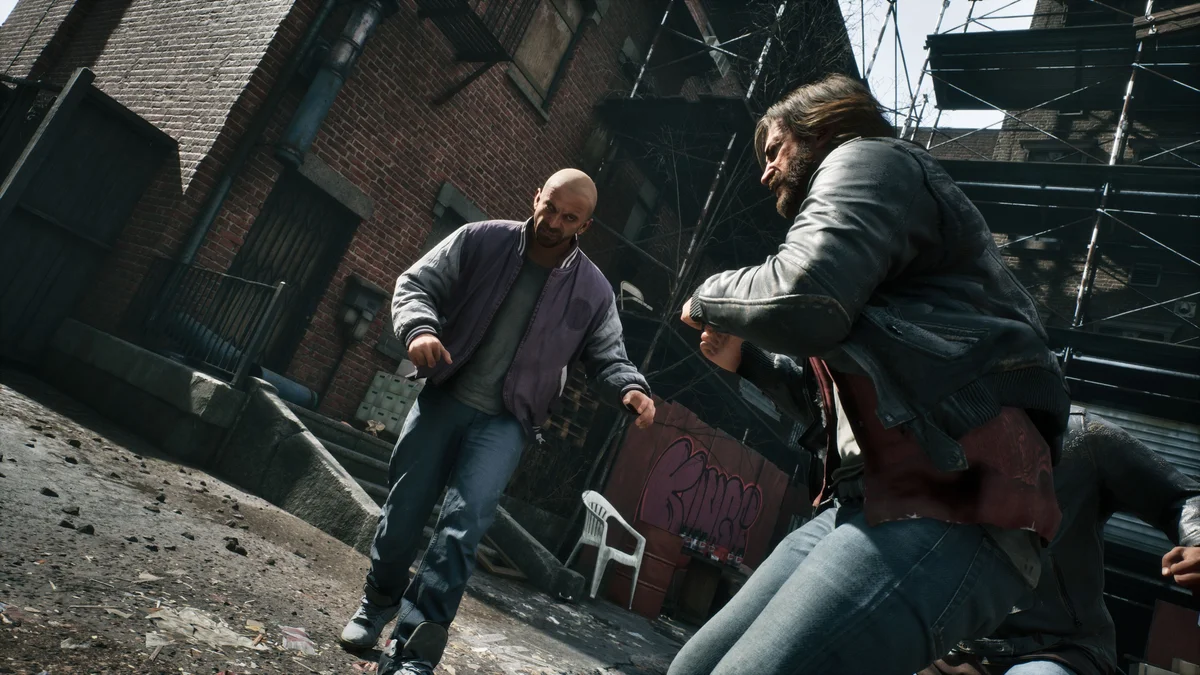
The game itself illustrates Liquid Swords' development strategy.
Samson was not promoted as an enormous open world intended to match the biggest franchises in content volume.
Its fictional industrial city, Tyndalston, supports a story about debt, family pressure and criminal violence.
Gameplay combines brawling, aggressive driving and time-sensitive decisions.
The project concentrated its identity around a relatively specific set of action systems.
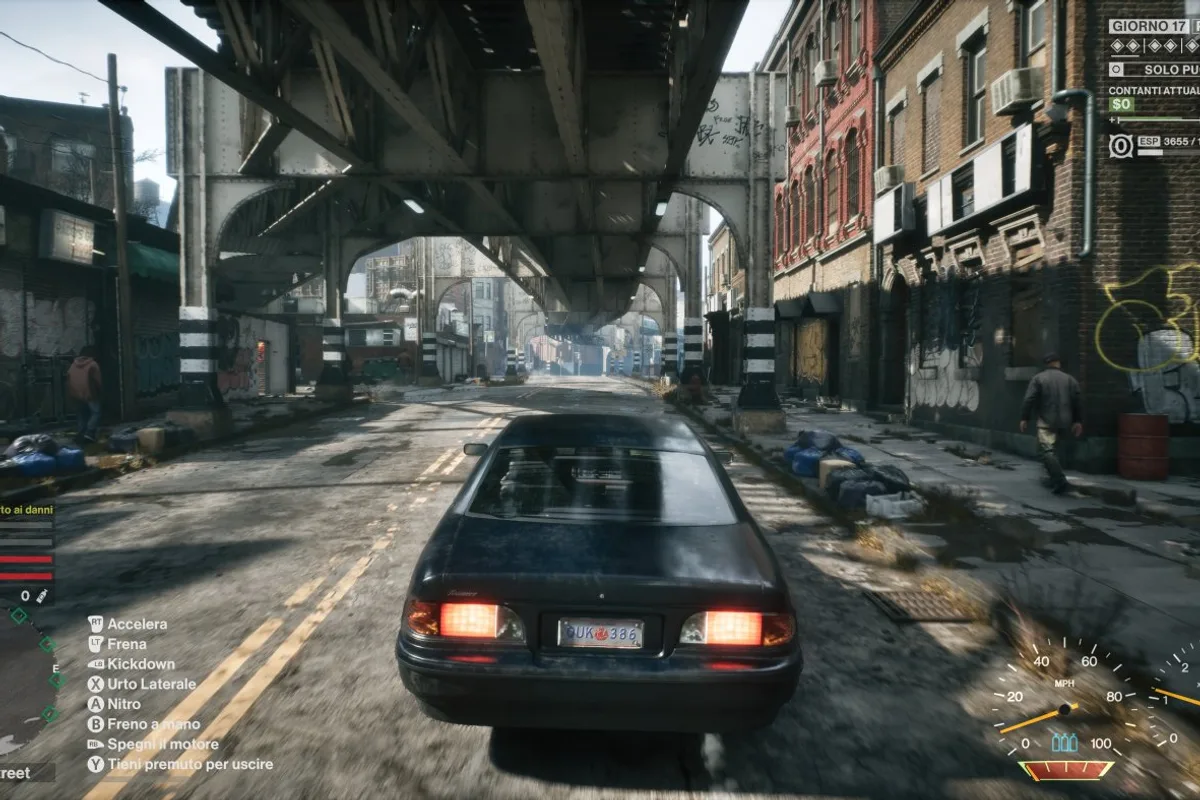
That approach has an understandable business rationale: create something distinctive without competing directly with the largest production budgets.
However, a more focused scope does not automatically make a project financially sustainable.
Even a mid-sized game must be completed, tested, marketed, distributed and supported.
Mixed Reviews Are Not a Financial Statement
Samson's launch was difficult.
Critics identified bugs, technical problems and unfinished-feeling mechanics.
Steam user reviews remained in the Mixed category when checked.
Those observations describe reception, but they cannot reconstruct the developer's accounts.
A review average does not directly reveal sales volume, profit margins, financing agreements or outstanding liabilities.
Likewise, positive player feedback does not prove that a game generates enough revenue to sustain its studio.
Artistic success, customer satisfaction and business sustainability are related, but they are not interchangeable.
Samson's Rights Are the Principal Assets for Sale
Cirio's official announcement identifies intellectual property associated with Samson as Liquid Swords' primary assets.
These rights form the core of what the administrator is seeking to sell.
They could interest a company wishing to continue distributing the existing game, acquire its brand or consider additional development.
These are potential commercial uses rather than announced projects.
Indicative offers must be submitted by noon on October 21, 2026.
The invitation to bid does not establish that an acceptable offer will arrive or a sale will be completed.
Buying a Game Does Not Necessarily Save Its Studio
An important distinction is often overlooked in bankruptcy coverage.
A development company may cease operating in its previous form while the intellectual property it created remains commercially valuable.
A buyer may acquire rights to characters, brands, content or other assets included in a transaction.
That buyer is not automatically required to preserve the original organization or continue every planned project.
For players, a game can therefore retain a commercial existence even when its original developer does not.
For employees, the outcome is different. Future employment depends on the transaction, existing contracts and decisions made by any buyer.
No definite acquisition has yet been confirmed.
Distribution and Support Remain Uncertain
Samson remains listed on Steam.
Its availability there indicates that bankruptcy has not automatically resulted in removal from that storefront.
However, a live product listing does not guarantee future updates or technical support.
The administrator must manage the company's assets and obligations.
A potential buyer might finance further development or choose only to manage existing rights.
No official schedule for new Samson updates is currently established.
The game's commercial availability and the future of its development must therefore be treated as separate questions.
A Case Study in Independent Development Risk
Liquid Swords' bankruptcy demonstrates that an experienced team can ship a commercial game without securing the long-term survival of the company behind it.
Releasing a product is an enormous achievement, but it does not end financial obligations.
Maintenance, customer support, development financing and uncertain future sales continue to affect a business.
Liquid Swords' timeline documents a company already under pressure before April 2026, followed by unpaid wages and an October court ruling.
The bankruptcy itself is no longer in doubt.
What remains uncertain is the outcome of the intellectual property sale, the final consequences for employees and Samson's potential future.
October 21 is the next concrete deadline. Even if a buyer emerges, that will not automatically mean Liquid Swords' story can resume where it left off.