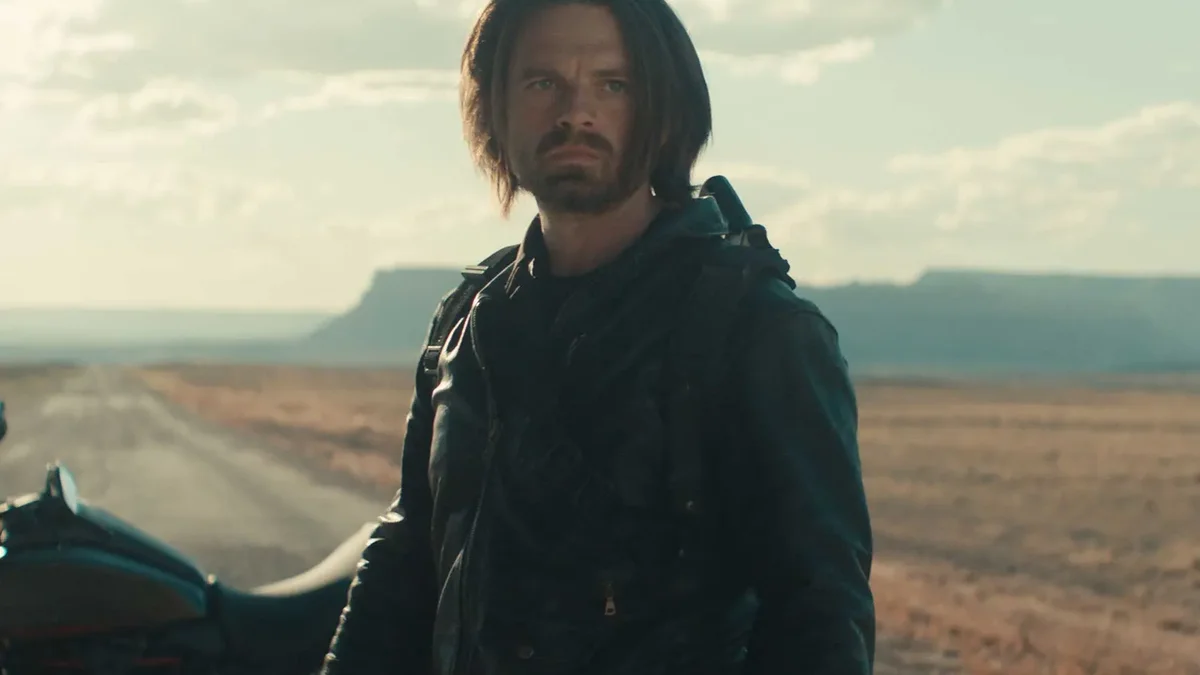
The interview was published August 18. Stan describes filming “scattered scenes” and calls the process continuous and constantly evolving. He says producers deliberately kept the entire screenplay away from him so interviews could not easily turn into spoiler interrogations.
He is not particularly scandalized by the arrangement. After fifteen years playing Bucky Barnes, Stan says he is used to the rule.
There is an important difference between no script and no access
The most dramatic version of this story would be that Marvel somehow made its largest crossover without a screenplay. That is not what the available facts support.
Disney officially credits Stephen McFeely as the writer of Avengers: Doomsday. Stan is talking about what performers were allowed to read, not claiming that no complete screenplay existed inside the production.
His description of an evolving process should be handled with the same care. It may reflect changing production circumstances, the order in which material reached him or revisions along the way. It does not establish that Marvel was rebuilding the story every day.
A three-universe crossover is unusually easy to compartmentalize
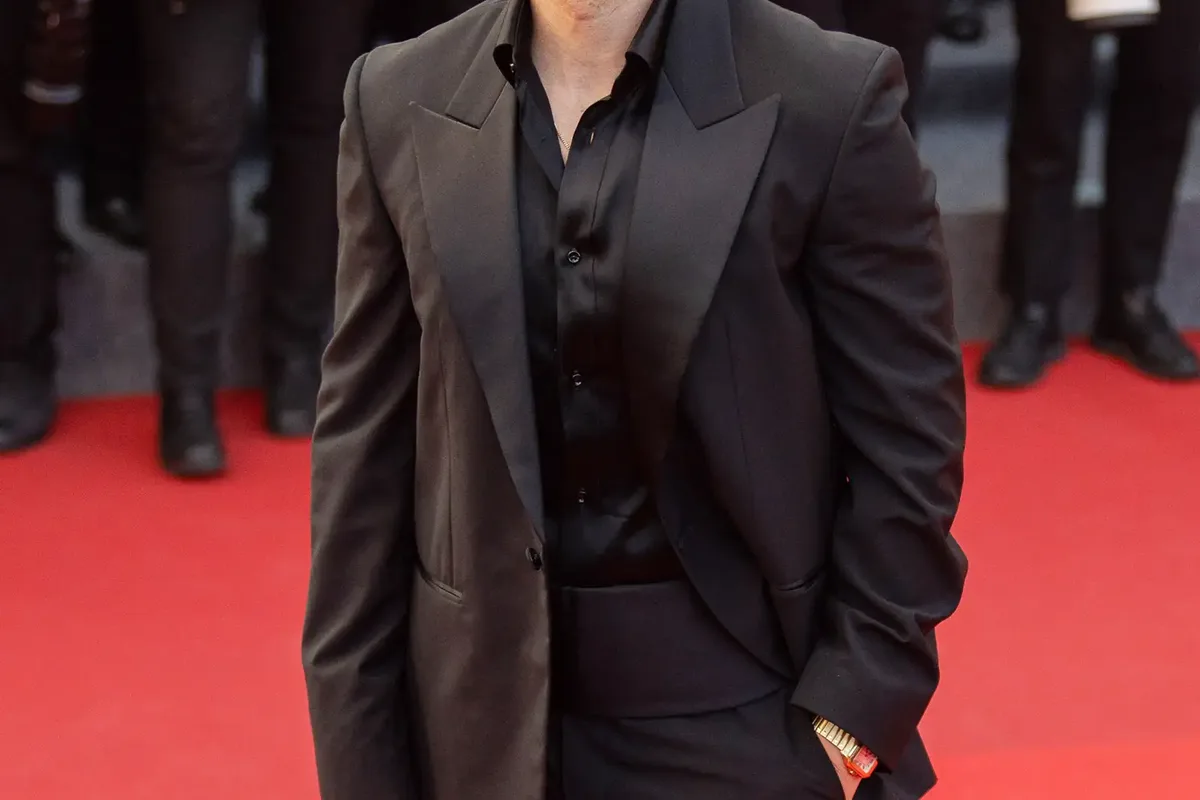
Disney now describes Doomsday as a collision between heroes from three distinct universes. The official cast crosses generations of Marvel filmmaking: the current MCU, the Fantastic Four and returning X-Men performers all occupy the same event.
Stan sits inside a roster that includes Robert Downey Jr., Chris Evans, Chris Hemsworth, Anthony Mackie, Florence Pugh, Pedro Pascal, Vanessa Kirby, Tom Hiddleston, Patrick Stewart, Ian McKellen, James Marsden, Paul Rudd, Simu Liu and David Harbour.
That scale makes fragmented information useful beyond ordinary secrecy. An actor can perform the immediate conflict in front of the camera without necessarily knowing which universe another character came from, what happens in a parallel storyline or how a later sequence pays off something shot weeks earlier.
Marvel is protecting interviews as much as sets
Stan is unusually explicit about the reason producers gave him. The concern was not only somebody photographing pages or walking away with a call sheet. It was the long period after filming when actors sit in front of journalists and are repeatedly asked variations of the same plot question.
Restricting information changes that conversation. An actor no longer needs to remember which details are embargoed if some of those details were never available to begin with.
Stan has been navigating this system since Bucky's first MCU appearance in Captain America: The First Avenger in 2011. He has since carried the character through the Winter Soldier story, Avengers films, a Disney+ series and Thunderbolts*.
The tradeoff is context
Security and performance are not identical goals. An actor working from isolated material can understand the scene being shot while lacking a complete view of where the character eventually lands.
Stan does not argue that this makes the acting better. His point is more practical: this is how a production of this kind operates, and by now he knows the rhythm.
That experience probably matters more for a character he has played for fifteen years than it would for somebody arriving in the MCU for the first time.
The audience may currently know more pieces than Bucky did
Marvel has already made a surprising amount of Doomsday public. The D23 campaign confirmed Robert Downey Jr. as Victor von Doom, Chris Evans as Steve Rogers, a massive cast and the collision of three universes. A public special look has pushed the movie well beyond the stage where everything remains secret.
What Marvel controls is the order of disclosure.
Anthony and Joe Russo direct the film, with Kevin Feige, Louis D'Esposito and Jonathan Schwartz producing. Doomsday opens in France on December 16, followed by its North American release on December 18.