
The text-message counter matters less
OpenAI announced a significant change to its consumer offering on August 6. GPT-5.6 Luna is becoming the default model for ChatGPT Free and Go users, accompanied by text conversations described as unlimited, subject to abuse guardrails.
That qualification matters. OpenAI is not making every part of ChatGPT unlimited. File uploads, images and other tools continue to have separate usage limits. The expanded access applies to the most fundamental layer of the product: having a text conversation with the model.
The new Think button follows the same structure. Free and Go users can invoke additional reasoning for harder questions, but Think is still powered by GPT-5.6 Luna. It is not a free route into GPT-5.6 Sol, which OpenAI keeps behind reasoning levels available on eligible paid plans.
OpenAI is separating conversation, tools and premium reasoning more clearly
That structure reveals the new boundary of ChatGPT's freemium model. A user can converse much more freely without repeatedly hitting a message quota. Features that consume more infrastructure or provide more professional value remain separately limited or associated with paid access.
The free model itself is also designed around that economics. OpenAI describes Luna as the fastest and most affordable member of the GPT-5.6 family. Sol remains the flagship model for complex work, while Terra occupies a middle position across other OpenAI products.
Free and Go users do not receive GPT-5.6 Sol in standard ChatGPT conversations. On eligible paid plans, Sol powers Medium and High reasoning, with additional levels depending on the subscription. The product is therefore becoming less differentiated by how many conversations a person can have and more by how much computation and capability can be applied to difficult work.
Luna's price cut came days before the free-tier expansion
The timing is notable. On July 30, OpenAI announced an 80 percent reduction in GPT-5.6 Luna's API price, bringing its public rate to 20 cents per million input tokens and 1.20 dollars per million output tokens.
API pricing is not the same as OpenAI's internal cost of serving ChatGPT, so it cannot be used to calculate the economics of the free plan. It does clearly show how the company positions Luna: as a model tier intended to be economical enough for extremely broad use.
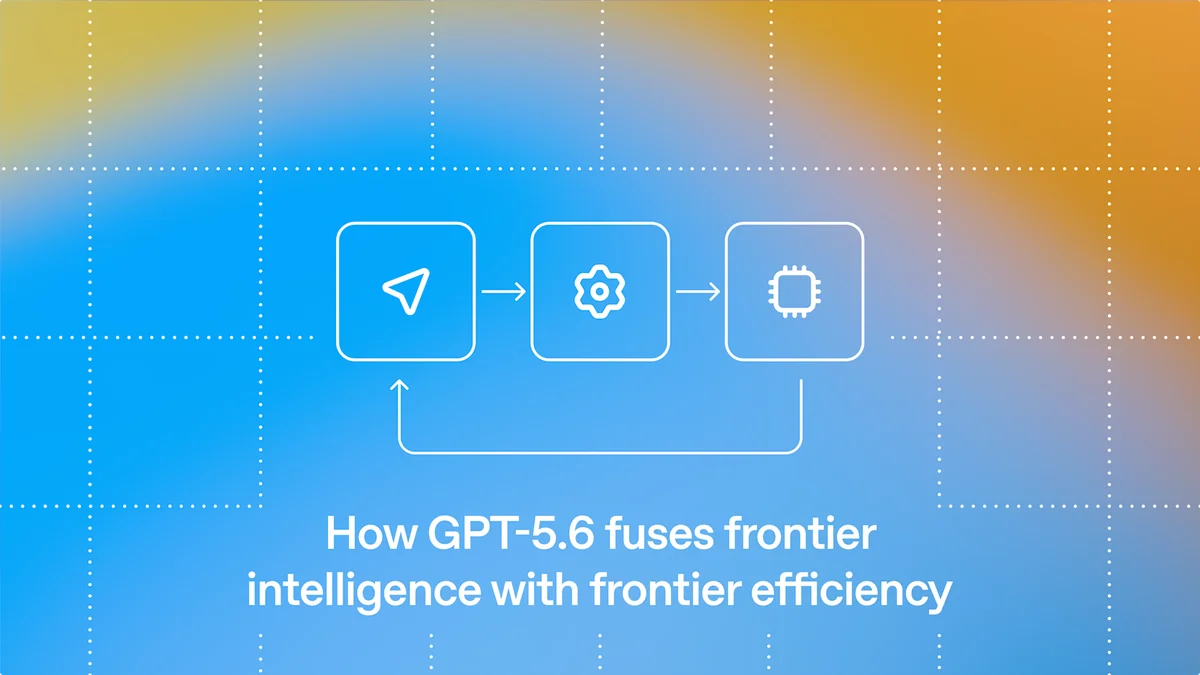
One week later, that same model became the engine of the free conversation experience. The two decisions together illustrate the broader GPT-5.6 strategy: do not spend the same amount of computation on every interaction, and reserve the most expensive capability for tasks where that extra effort has clear value.
One billion weekly users changes the calculation
OpenAI now says one billion people use ChatGPT every week. That figure comes from the company itself, but it demonstrates the scale at which a seemingly simple change to message limits becomes a major infrastructure decision.
At that size, making text far more abundant can accomplish two things. First, it removes a friction that may push users to stop a conversation or switch services. Second, it makes ChatGPT a more natural place to begin a task before a person eventually needs a file, an image, another tool or a higher reasoning tier.
In that sense, free text becomes less of a scarce resource to ration and more of an entrance into the wider ecosystem.
The real premium is becoming the ability to do more than chat
That does not make subscriptions irrelevant. It changes what users are paying for. Paid customers are no longer simply purchasing freedom from a message counter; they gain greater reasoning access, higher tool allowances and models intended for more demanding work.
This is a familiar platform transition. Once a core function becomes inexpensive enough and strategically important enough for acquisition, opening it broadly can be more valuable than rationing it. Monetization then moves into the layers built on top.
With Luna, OpenAI is not removing limits from ChatGPT. It is changing where those limits begin to matter.