
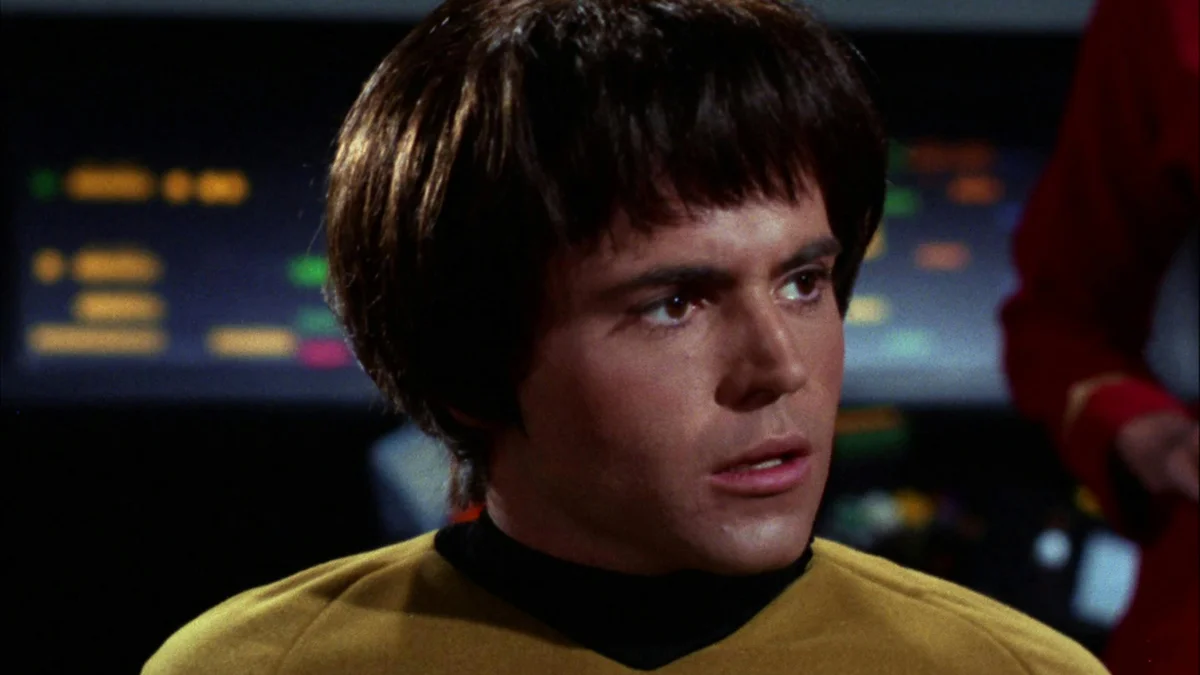
He joined the Enterprise a season later than most of the original cast. Yet for generations of viewers, Walter Koenig seemed as if he had always belonged aboard the ship.
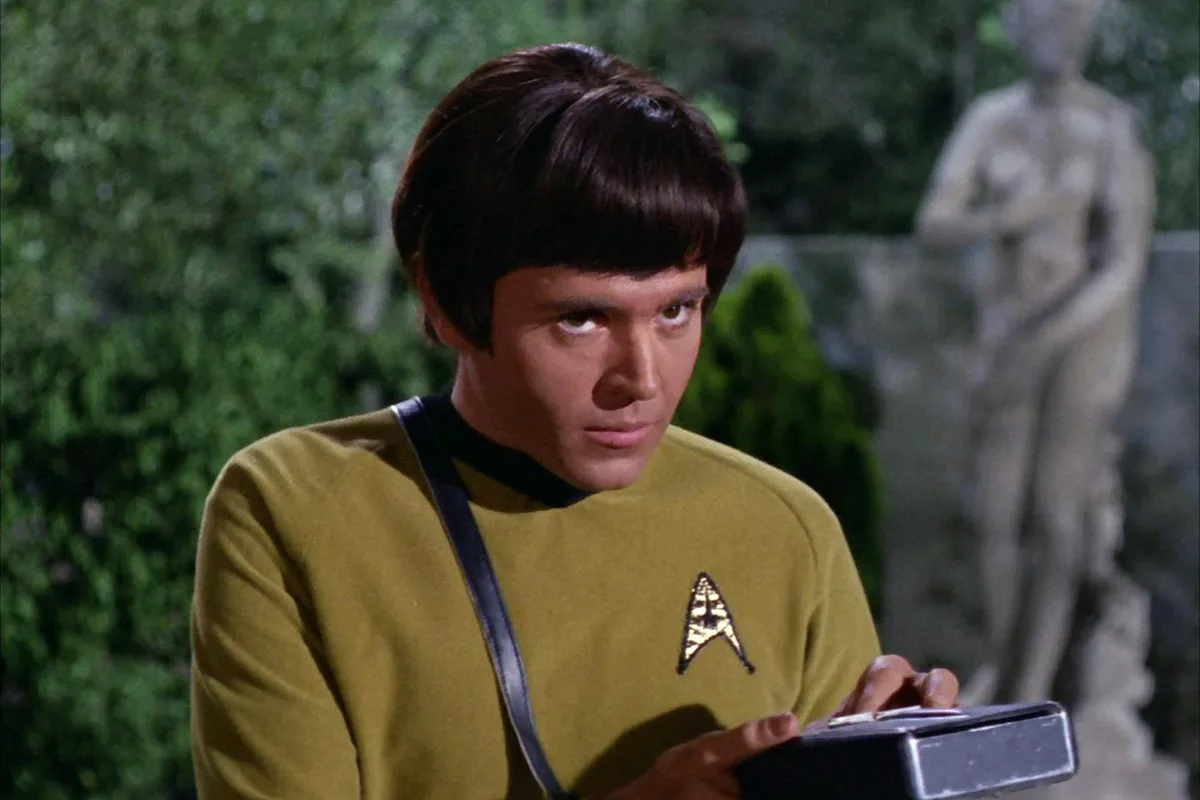
His Pavel Chekov, a young Russian navigator with a distinctive accent and an exaggerated sense of national pride, became one of Star Trek's most recognizable characters.
Koenig died on Sunday, October 25, 2026, at the age of 90.
His representative, Zachery McGinnis, confirmed the death on October 26.
According to the statement, the actor died at his home in North Hollywood, California, with his daughter and niece beside him.
The announcement brought to an end a career spanning more than six decades and closely associated with one of science fiction's most enduring ideas: a future in which people from different backgrounds work together.
His death was confirmed by his representatives
Galactic Productions, which represented Koenig for public appearances, announced the news on October 26.
The company's founder, Zachery McGinnis, remembered an artist whose performances had reached generations of viewers.
The statement attributed his death to advanced age without identifying a specific illness.
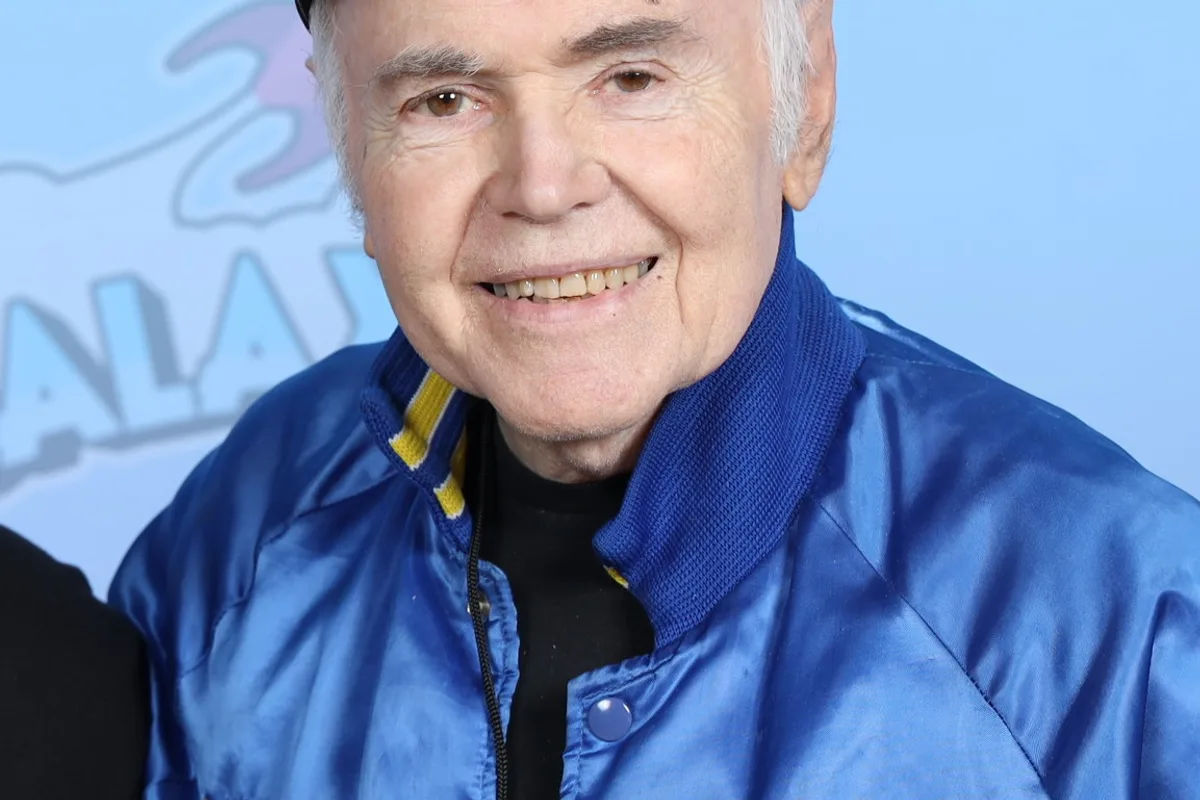
Koenig had celebrated his 90th birthday on September 14.
Some early reports offered conflicting indications about the exact day of his death.
Detailed confirmations published by CBS News, ABC News, Variety and the Los Angeles Times identify Sunday, October 25, as the date.
The public announcement followed on Monday.
McGinnis also emphasized Koenig's longstanding connection with Star Trek fans.
The actor regularly attended conventions, where he discussed his career, remembered production experiences and met people who had followed the franchise for decades.
That relationship remained an important part of his professional life long after the original television series ended.
Chekov represented a different vision of the future
Walter Koenig joined Star Trek in 1967, at the beginning of its second season.
Gene Roddenberry's series had premiered on NBC the previous year.
It followed the USS Enterprise as its crew explored unfamiliar worlds and encountered new civilizations.
The ship already brought together characters from different backgrounds.
James T. Kirk, played by William Shatner, commanded the vessel.
Leonard Nimoy portrayed Spock, while George Takei played Hikaru Sulu.
The addition of Pavel Chekov introduced another important symbolic element.
The new navigator was Russian.
During the Cold War, when the United States and the Soviet Union were geopolitical rivals, Star Trek imagined a future in which a Russian officer could work alongside American, Asian and extraterrestrial colleagues.
The representation did not erase the tensions of the era.
Instead, it offered a hopeful alternative.
Chekov was also considerably less restrained than Spock.
He could be enthusiastic, impulsive and comically proud of his country's supposed achievements.
His claims that various discoveries had Russian origins became a recurring source of humor.
Those qualities made the character immediately recognizable.
His hairstyle was inspired by Davy Jones
There was also a practical television reason for adding Koenig to the cast.
The producers wanted to attract younger viewers.
Star Trek's official website explains that his hairstyle was designed to resemble that of Davy Jones from the popular band The Monkees.
The resemblance may seem like a minor detail today.
But it illustrates how the science-fiction series responded to the wider popular culture of the 1960s.
Koenig was not simply another uniformed officer on the bridge.
He brought a different energy to an established ensemble.
His presence created new opportunities for exchanges with Sulu, Kirk and the other characters.
Even when Chekov had relatively little to do in a particular episode, he helped make the Enterprise feel like a functioning community.
That sense of belonging contributed to the character's lasting popularity.
Koenig continued playing Chekov in seven movies
The original Star Trek television series ended in 1969 after three seasons.
Its cultural life was far from over.
Reruns, fan conventions and a growing audience helped turn the canceled program into a much larger phenomenon.
In 1979, Star Trek: The Motion Picture reunited much of the original cast.
Walter Koenig returned as Pavel Chekov.
He subsequently appeared in Star Trek II: The Wrath of Khan, Star Trek III: The Search for Spock and Star Trek IV: The Voyage Home.
He also returned for Star Trek V: The Final Frontier, Star Trek VI: The Undiscovered Country and Star Trek Generations.
Altogether, Koenig played Chekov in seven feature films.
The movies allowed audiences to follow the character from the youthful officer of the 1960s into a more experienced member of the Enterprise crew.
His importance did not depend on having the most prominent storyline.
He contributed to the continuity of a group whose relationships had become central to the franchise.
For many fans, the original Enterprise never felt quite complete without him.
Babylon 5 revealed a much darker side of his acting
Koenig's career extended considerably beyond Star Trek.
In the 1990s, he returned to television science fiction with Babylon 5, created by J. Michael Straczynski.
He played Alfred Bester, a powerful officer of the Psi Corps.
The contrast with Chekov was striking.
Chekov generally represented enthusiasm, loyalty and the optimism of an exploratory crew.
Bester was calculating, intimidating and deeply involved in struggles for power.
As a skilled telepath, he could exert authority in situations where ordinary characters had few means of resisting him.
Koenig gave the character a controlled, unsettling presence.
His apparently calm behavior could make him more threatening than an openly aggressive opponent.
The role allowed audiences to see a different dimension of his performance style.
He was no longer the familiar officer helping a heroic crew.
He became a figure whose motives demanded constant suspicion.
For Babylon 5 fans, Alfred Bester remains one of Koenig's most memorable performances.
He was also a writer and teacher
Koenig began acting before Star Trek, after studying at UCLA and pursuing further artistic training in New York.
He worked in theater and appeared in various television programs.
Acting was not his only creative activity.
He wrote scripts for television series, including The Incredible Hulk and Family.
In 1980, he published Chekov's Enterprise, a book reflecting on his experiences in the Star Trek universe.
He also wrote the memoir Warped Factors: A Neurotic's Guide to the Universe.
His career included teaching acting and participating in independent productions.
In 2012, Koenig received a star on the Hollywood Walk of Fame.
The recognition acknowledged a performer who had built a long career around characters that became essential to popular culture.
His representative also highlighted recent work on the short film Mr. Fleischmann.
According to the statement, that performance earned Koenig an acting distinction at the 2026 Independent Shorts Awards.
His creative activities therefore continued well beyond the period in which he first became famous.
His final official Star Trek appearance came in 2023
In 2023, Walter Koenig made an unusual return to the Star Trek franchise.
His voice appeared in the final episode of Star Trek: Picard's third season.
However, he was not directly reprising Pavel Chekov.
Instead, he voiced Anton Chekov, introduced as the son of his original character.
The name also honored Anton Yelchin, the actor who played a younger version of Pavel Chekov in the Star Trek films released in 2009, 2013 and 2016.
Yelchin died in 2016 at the age of 27.
The vocal appearance therefore connected several generations of the franchise.
It acknowledged Koenig's original character, the later film adaptations and Yelchin's place within Star Trek history.
For longtime viewers, the connection gave the sequence an additional emotional significance.
It was also Koenig's final known appearance in an official Star Trek production.
George Takei remembers a friend of nearly sixty years
One of the most personal tributes came from George Takei.
The actor who played Hikaru Sulu had known Koenig since their work on the Enterprise bridge in the 1960s.
Their friendship continued long after the original television production ended.
Takei recalled that Koenig served as best man at his wedding to Brad Altman in 2008.
That role demonstrates how their relationship extended beyond professional appearances and franchise conventions.
In his October 26 tribute, Takei remembered Koenig as a writer, teacher and loyal friend.
He also thanked the fans who had supported him for so many years.
The message revealed a personal dimension of the Star Trek legacy.
Behind the characters representing humanity's journey into space were friendships that lasted across almost six decades.
For Takei, Koenig's death was not simply the loss of a former colleague.
It was the loss of someone who had shared a significant part of his life.
An enduring legacy beyond the Enterprise
Walter Koenig leaves behind an extensive career, but two science-fiction roles remain particularly important.
Star Trek gave him an optimistic character representing a future in which international cooperation could overcome political division.
Babylon 5 allowed him to explore a darker world of authority, manipulation and competing interests.
Together, those performances demonstrate the range of his work.
Chekov often contributed humor and energy to the Enterprise crew.
Bester created tension through confidence, control and the suggestion of concealed motives.
Koenig may not always have been the first actor audiences associated with Star Trek.
But removing Chekov from the original ensemble would fundamentally change the image that viewers remember.
He was one of the supporting characters who made the fictional starship feel like a genuine place where people lived and worked together.
On October 25, 2026, the actor who gave that character his personality died at the age of 90.
His performances, writings and the memories shared by his friends remain.
And whenever audiences return to the original Enterprise, Pavel Chekov will still be there, ready to navigate another journey.