
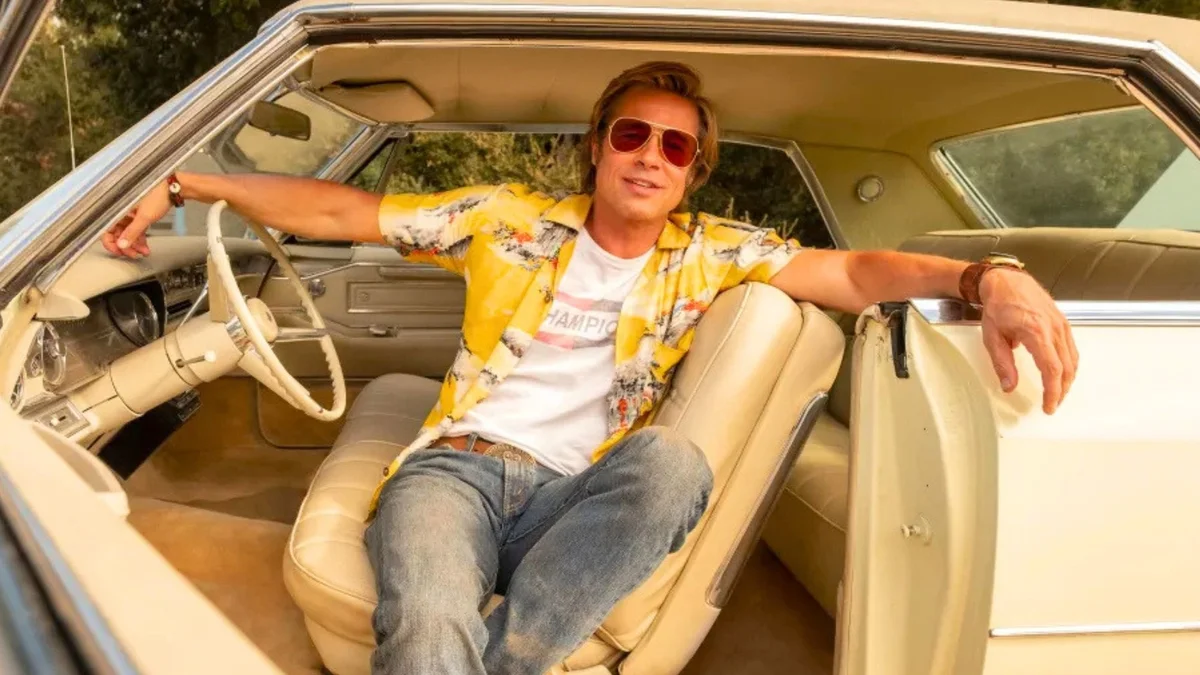
The Further Mis-Adventures of Cliff Booth brings together three major names in modern American cinema.
Brad Pitt returns as a character who earned him an Academy Award, Quentin Tarantino has written the screenplay, and David Fincher is directing.
Yet those credentials have not persuaded every major theater chain to take part in the film's theatrical launch.
On October 30, TheWrap, Variety and IndieWire reported that Regal Cinemas and Cinemark had declined to screen the film in their IMAX auditoriums.
Netflix had previously announced a two-week IMAX-exclusive engagement beginning November 25, followed by a streaming premiere on December 23.
Both dates remain in place.
The difference is that the theatrical rollout will have a smaller footprint in the United States without two major exhibitors.
AMC is still participating, and the decisions by Regal and Cinemark do not automatically apply to independent theaters or international markets.
Regal and Cinemark decline the IMAX booking
Regal and Cinemark operate significant theater networks across the United States.
Their locations include premium large-format auditoriums capable of presenting major studio releases in IMAX.
The absence of those screens will reduce the number of places where American moviegoers can see Fincher's film during its limited engagement.
According to TheWrap, the domestic release will now depend primarily on participating AMC IMAX locations.
That does not mean the movie has been banned or prevented from being exhibited.
The theater chains have made commercial programming decisions.
Exhibitors select titles according to their contractual arrangements, available screens and expectations for competing releases.
The decision represents a setback for the size of Netflix's planned theatrical event, not the cancellation of the event itself.
It is also too early to make conclusions about lost ticket revenue.
The film has not yet opened, so no actual box-office performance exists to evaluate.
A short theatrical window remains a major issue
The dispute reflects one of the central challenges facing streaming companies seeking wider theatrical exposure.
Netflix plans to give Cliff Booth an exclusive two-week IMAX engagement beginning November 25.
The film will then become available on the streaming service on December 23.
That creates a gap of less than one month between the first theatrical screenings and home availability.
For exhibitors, such a schedule can limit the commercial appeal of committing valuable screens to a release.
Traditional theatrical distribution often depends on a period during which cinemas provide the principal opportunity to see a film.
A shorter gap before streaming may reduce the sense of exclusivity associated with the experience.
That does not mean every movie theater rejects Netflix productions on principle.
The terms of individual agreements matter, as do the films competing for the same auditoriums.
The Cliff Booth situation demonstrates that a high-profile creative team cannot automatically overcome disagreements about release strategy.
Thanksgiving competition adds another complication
The timing is especially challenging.
The Further Mis-Adventures of Cliff Booth opens on November 25, just five days after The Hunger Games: Sunrise on the Reaping.
The Lionsgate franchise film is also seeking premium theatrical exposure.
IMAX screens are a limited resource, particularly during major holiday release periods.
An exhibitor booking Cliff Booth must allocate some of those screens to Netflix while other films are competing for the same dates.
Industry reporting identifies the crowded Thanksgiving schedule as another factor in the programming decisions.
Regal and Cinemark have reportedly chosen to prioritize alternative titles during that window.
That decision should not be interpreted as a prediction of which film will earn the most money.
It is an allocation of available screens before the releases have taken place.
For Netflix, the challenge is therefore not merely producing a film suitable for IMAX.
It must also negotiate for screens at a time when exhibitors have other commercially important options.

Brad Pitt returns to his Oscar-winning character
Cliff Booth first appeared in Quentin Tarantino's Once Upon a Time... in Hollywood, released in 2019.
Brad Pitt portrayed a stuntman and loyal companion to Rick Dalton, the struggling actor played by Leonardo DiCaprio.
Cliff combined an easygoing personality with formidable physical skills and a complicated personal history.
Pitt won the Academy Award for Best Supporting Actor for the performance.
The new film takes place in 1977, eight years after the events of Tarantino's alternate-history version of 1969.
Cliff is no longer working only as a stuntman.
According to Netflix's official synopsis, he has become a Hollywood fixer, someone called upon to solve difficult problems for people working in the entertainment business.
Those problems may involve blackmail, crime and dangerous relationships.
The premise moves the character into a different kind of story from his original appearance.
Instead of following the friendship between a stuntman and an actor during Hollywood's cultural transition, the sequel explores a criminal underworld operating behind the entertainment industry's public image.
David Fincher directs Quentin Tarantino's screenplay
The project features an unusual division of creative responsibilities.
Quentin Tarantino wrote the screenplay, but he is not directing the movie.
David Fincher has taken the director's chair.
Fincher's credits include Seven, Fight Club, Zodiac, The Social Network and The Killer.
His filmmaking is frequently associated with meticulous visual composition, psychological tension and characters navigating morally compromised environments.
Tarantino's writing has its own recognizable characteristics, including extended conversations, abrupt tonal shifts and stylized violence.
Combining those different approaches makes the film particularly interesting.
However, the filmmakers' reputations do not establish how the finished movie will be received.
Netflix has released promotional footage and information about the story, providing a first indication of its direction.
The completed film remains unavailable to the general audience.
The collaboration promises a crime story set against a version of Hollywood that has changed significantly since Cliff's original adventures.
Elizabeth Debicki, Scott Caan and Carla Gugino join Pitt
The new film introduces several characters connected to Cliff's work as a fixer.
Elizabeth Debicki plays Karen Crosby, a talent agent who approaches Cliff on behalf of a client.
That client is Charlie Peters, a television star portrayed by Scott Caan.
Charlie is described as someone who performs his own stunts, creating an interesting connection to Cliff's previous profession.
Carla Gugino plays Charlie's wife, Toni.
Yahya Abdul-Mateen II portrays Roderick Harrison, also known as Hot Rod, a former professional football champion who has become an actor.
Peter Weller, Corey Fogelmanis and Karren Karagulian also appear in the announced cast.
Netflix has introduced the Verdusco brothers as figures involved in the criminal activity surrounding the story.
Those character descriptions establish part of the film's world without revealing every plot development.
The combination of entertainment-industry relationships and criminal activity suggests a story built around the hidden costs of fame and power in 1970s Los Angeles.
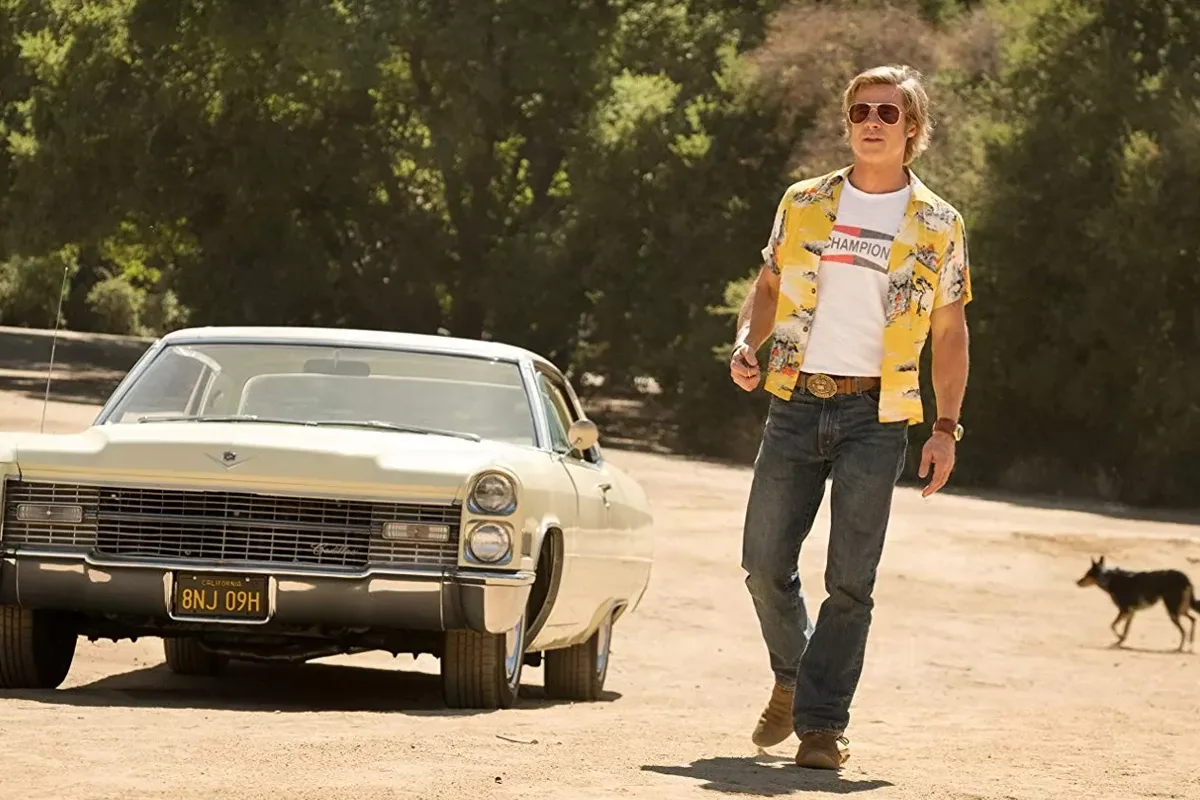
Netflix continues experimenting with theatrical distribution
Netflix's relationship with movie theaters has changed considerably over the years.
The company built its modern business around streaming films and television directly to subscribers.
But theatrical screenings can still provide significant exposure for high-profile productions.
They can transform a release into a cultural event and offer filmmakers a presentation format unavailable in most homes.
Netflix has consequently experimented with different theatrical models.
Some productions have received limited engagements before their streaming premieres.
Others have been positioned for longer theatrical runs or wider distribution.
The Further Mis-Adventures of Cliff Booth occupies an interesting position in that strategy.
It is being promoted as a worldwide IMAX event, while Netflix intends to make it available to subscribers relatively quickly.
That combination offers the company both theatrical visibility and a major holiday streaming release.
The reactions from Regal and Cinemark demonstrate that the arrangement does not necessarily appeal to every exhibitor.
AMC becomes a crucial theatrical partner
AMC has chosen to participate in the planned IMAX engagement.
That decision distinguishes its approach from the positions taken by Regal and Cinemark.
Different chains may assess the same film differently depending on their available screens, commercial agreements and programming priorities.
For Netflix, AMC's involvement preserves meaningful access to the American theatrical market.
It does not fully replace the reach that could have been achieved with all three major chains participating.
Some audiences may need to travel farther to find a screening.
The international situation may differ, since the American chains' decisions do not determine programming in every country.
Netflix has announced a worldwide IMAX release, but specific participating venues and showtimes will depend on local arrangements.
Those details should be checked with exhibitors once tickets become available.
November 25 in IMAX, December 23 on Netflix
The official release plan remains built around two dates.
The Further Mis-Adventures of Cliff Booth is scheduled to open in participating IMAX theaters on Wednesday, November 25, 2026.
It will then arrive on Netflix on Wednesday, December 23.
The first date concerns theatrical availability, while the second marks the streaming premiere.
Netflix has described the IMAX-exclusive portion of the release as a two-week engagement.
That specific engagement should not be confused with the full interval between the first theatrical screening and the streaming launch.
For Netflix, the arrangement creates a premium theatrical event before the Christmas holiday.
For exhibitors, the short period of exclusivity remains a commercial consideration.
The Regal and Cinemark decisions show how that consideration can influence access to premium screens.
A major test for event cinema and streaming
The Further Mis-Adventures of Cliff Booth is still coming to theaters.
Its November 25 IMAX opening has not been canceled, and the December 23 Netflix release remains scheduled.
What has changed is the scale of the American theatrical rollout.
Regal and Cinemark have declined the IMAX engagement, while AMC remains involved.
The case highlights a continuing challenge for streaming platforms hoping to establish significant theatrical events.
Well-known actors, acclaimed directors and recognizable characters may attract public attention, but cinema chains must still agree to the commercial terms.
Theaters control access to their screens, and their priorities do not always match those of streaming companies.
For audiences, the immediate consequence is practical: finding a participating IMAX theater may be more difficult in some American markets.
For the industry, the larger issue concerns the value of theatrical exclusivity in a market where major films can reach streaming services within weeks.
Cliff Booth's next adventure has not yet reached the screen, but its distribution strategy is already part of that debate.